Understanding Retinal Dysplasia In Your Pet
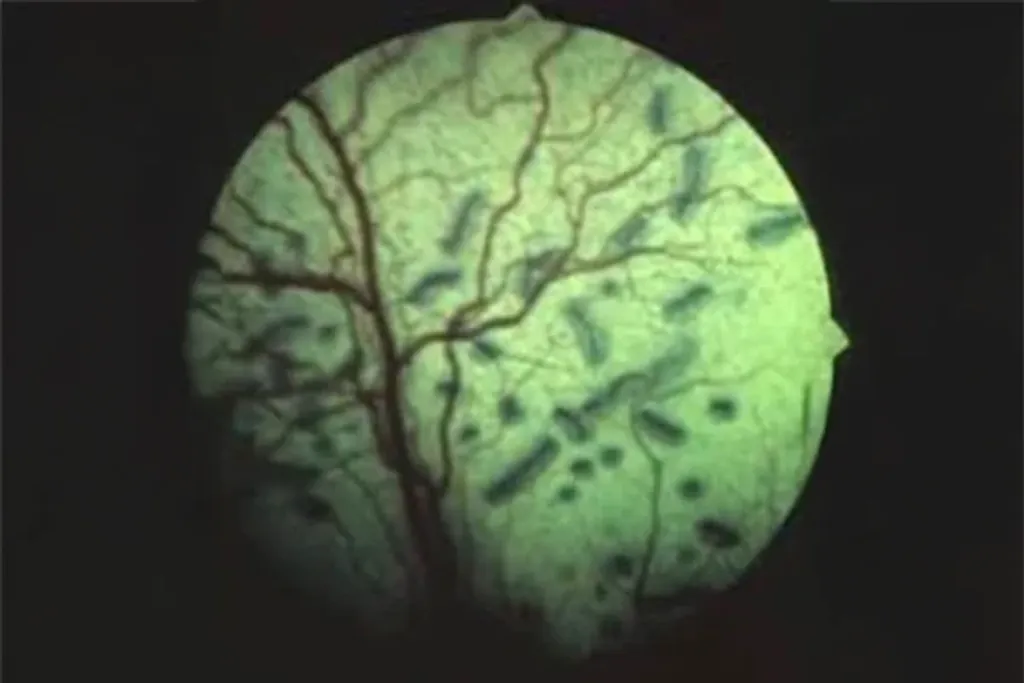
Retinal dysplasia is a developmental disorder affecting the retina of pets. The mildest form of retinal dysplasia results in single or multiple folds in the retinal tissue. The most severe form can result in a retinal detachment. One or both eyes may be affected, and sometimes retinal dysplasia can occur with other ocular or systemic abnormalities. North Houston Veterinary Ophthalmology commonly diagnoses and manages retinal dysplasia to support pets’ ocular health and restore their quality of life.
Clinical Signs of Retinal Dysplasia
Retinal dysplasia often does not exhibit outward clinical signs unless vision is affected. Pets with mild forms of the condition may not show noticeable symptoms, making it difficult for owners to detect the issue without a thorough ophthalmic exam. In more severe cases, pets may experience varying degrees of vision impairment, observed through changes in their behavior, such as bumping into objects or hesitance to move in unfamiliar environments.
Causes of Retinal Dysplasia
Retinal dysplasia can arise from several causes, including hereditary factors and external influences. Certain breeds are more predisposed to developing this condition due to genetic inheritance. Additionally, retinal dysplasia can result from viral infections, vitamin deficiencies, intrauterine trauma, toxic exposures, or adverse reactions to certain medications. Understanding these causes can help pet owners take preventive measures and seek timely veterinary care.
Diagnosing Retinal Dysplasia
A definitive diagnosis of retinal dysplasia requires a comprehensive ophthalmic examination by a skilled veterinary ophthalmologist. At North Houston Veterinary Ophthalmology, our team employs advanced diagnostic tools to assess the condition of your pet’s retina. This evaluation includes a detailed examination of the retinal structure and may involve imaging techniques to detect any abnormalities.
Managing Retinal Dysplasia
Currently, there is no cure for retinal dysplasia. However, managing the condition focuses on monitoring the pet’s vision and ensuring their quality of life is maintained. Regular check-ups with a veterinary ophthalmologist are essential to track any changes in the condition and to provide supportive care as needed. For pets with significant vision impairment, environmental modifications at home can help them navigate their surroundings more comfortably.
Breeding Considerations
It is important for pet owners and breeders to recognize that retinal dysplasia can be hereditary. Breeding animals known to have the condition is generally discouraged to prevent passing the genetic predisposition to offspring. Responsible breeding practices include screening potential breeding animals for retinal dysplasia and other hereditary eye conditions to reduce the incidence of these disorders in future generations.
When to Seek Veterinary Ophthalmology Services
Pet owners should seek veterinary ophthalmology services if they notice any changes in their pet’s vision or eye appearance. Early detection and diagnosis of retinal dysplasia can help manage the condition more effectively and ensure that pets receive the appropriate care and support. Regular eye examinations are recommended, especially for breeds predisposed to hereditary retinal disorders.
Comprehensive Care for Retinal Dysplasia
Pet retinal dysplasia is a developmental condition that can impact the vision and overall ocular health of pets. While there is no cure for this condition, understanding its clinical signs, causes, and management strategies can help pet owners provide the best care for their furry companions. At North Houston Veterinary Ophthalmology, we are committed to offering comprehensive diagnostic and supportive services for pets with retinal dysplasia. Our experienced team is dedicated to ensuring the well-being of your pet’s vision through attentive and expert care.