Understanding Sudden Acquired Retinal Degeneration Syndrome (SARDS)
Sudden Acquired Retinal Degeneration Syndrome (SARDS) is a perplexing and distressing condition that affects the retina, leading to a rapid loss of vision in pets. This condition is particularly alarming due to its abrupt onset, typically manifesting over a period of just days to weeks. North Houston Veterinary Ophthalmology stresses prompt, comprehensive care and support for pets suffering from SARDS in Spring, TX, to safeguard their vision and quality of life.
Clinical Signs of SARDS
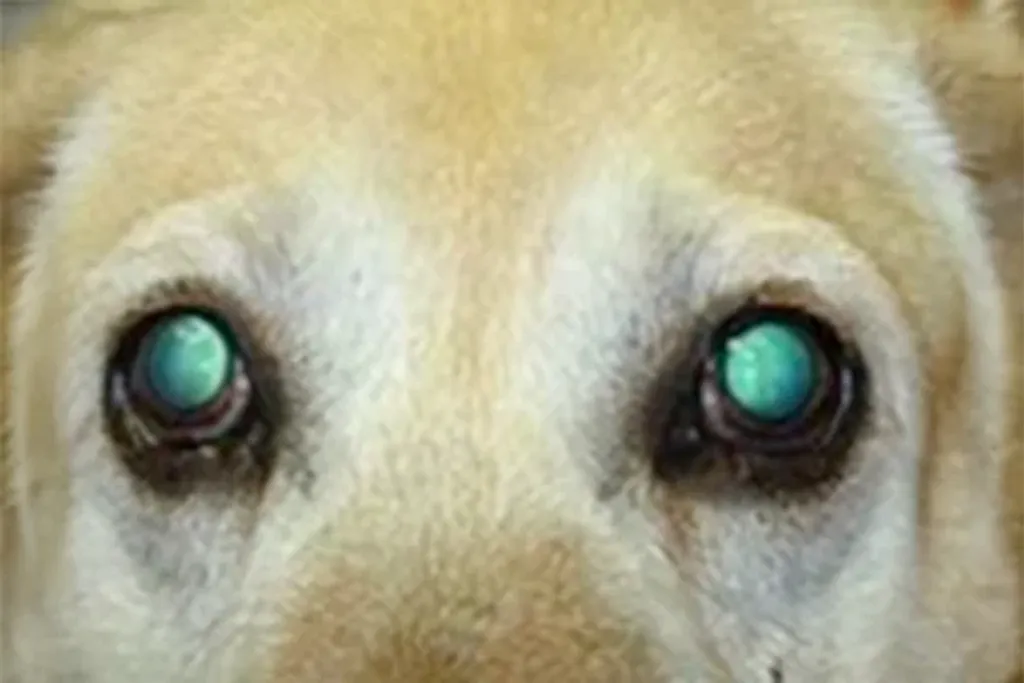
The most notable clinical sign of SARDS is sudden vision loss, but occasionally, a significant decrease in visual acuity is noted instead of complete blindness. Dilated pupils can accompany this dramatic change. In some cases, pets may also exhibit symptoms commonly associated with Cushing’s disease, such as frequent urination, increased thirst, weight gain, and panting. These symptoms are not due to a hormonal imbalance but rather a stress response to the sudden blindness. Over time, as the pet adjusts to their new reality, these symptoms typically diminish.
Causes of SARDS
The exact cause of SARDS remains elusive, but current research suggests it may be an immune-mediated condition. The pet’s immune system mistakenly targets an enzyme crucial for converting light into the electrochemical signals needed for vision. Despite ongoing studies, a definitive cause has yet to be established, making it a challenging condition to predict and prevent.
Diagnosing SARDS
Diagnosing SARDS involves differentiating it from other conditions that can cause similar symptoms, such as brain lesions. At North Houston Veterinary Ophthalmology, we utilize advanced diagnostic tools to achieve this. One critical test is the electroretinogram (ERG), which measures the electrical activity of the retina. If the ERG indicates a lack of retinal function, SARDS is confirmed. This test is vital in ruling out central nervous system issues that could also result in blindness.
Treatment Options for SARDS
Currently, there is no definitive treatment for SARDS. Research is ongoing, and potential therapies are being explored, but as of now, the focus is on managing symptoms and supporting the pet’s quality of life. At North Houston Veterinary Ophthalmology, we provide guidance and support to pet owners, helping them adapt to their pet’s sudden blindness and ensuring the pet remains as comfortable and happy as possible.
Supporting Your Pet Through SARDS
Caring for a pet with SARDS requires patience and adaptation. Pets rely heavily on their other senses; with time, they can learn to navigate their environment without sight. It’s essential to maintain a consistent routine and environment to help your pet feel secure. Using verbal cues and physical guidance can also aid in their adjustment.
Using essential oils in a room or placing the oil directly on a piece of furniture or door frames the animal needs to recognize is often very helpful. It is important to maintain the same scent in the same location over time. Another thing owners can do is use rugs or carpet runners in different locations to help your pet identify where they are within the house. Also, be sure to go outside with your pet if there are any inherent dangers in the yard such as a swimming pool that your pet could fall into.
North Houston Veterinary Ophthalmology offers resources and support to help you and your pet cope with SARDS. Our team is experienced in managing this condition and can provide valuable advice on creating a safe and supportive environment for your pet. Regular check-ups and consultations will ensure that your pet’s needs are met and that any additional health concerns are promptly addressed.
Comprehensive Care for Pets with SARDS
Sudden Acquired Retinal Degeneration Syndrome is a challenging condition for both pets and their owners. At North Houston Veterinary Ophthalmology, we are committed to providing the highest level of care and support for pets affected by SARDS. Through advanced diagnostics, compassionate care, and ongoing support, we strive to improve the quality of life for pets suffering from this condition. If you suspect your pet may be experiencing symptoms of SARDS, please contact us for a comprehensive evaluation and personalized care plan.